Defined business workflows
Who creates, views and approves information, and what happens next: operating rules are clarified before the screens are built.
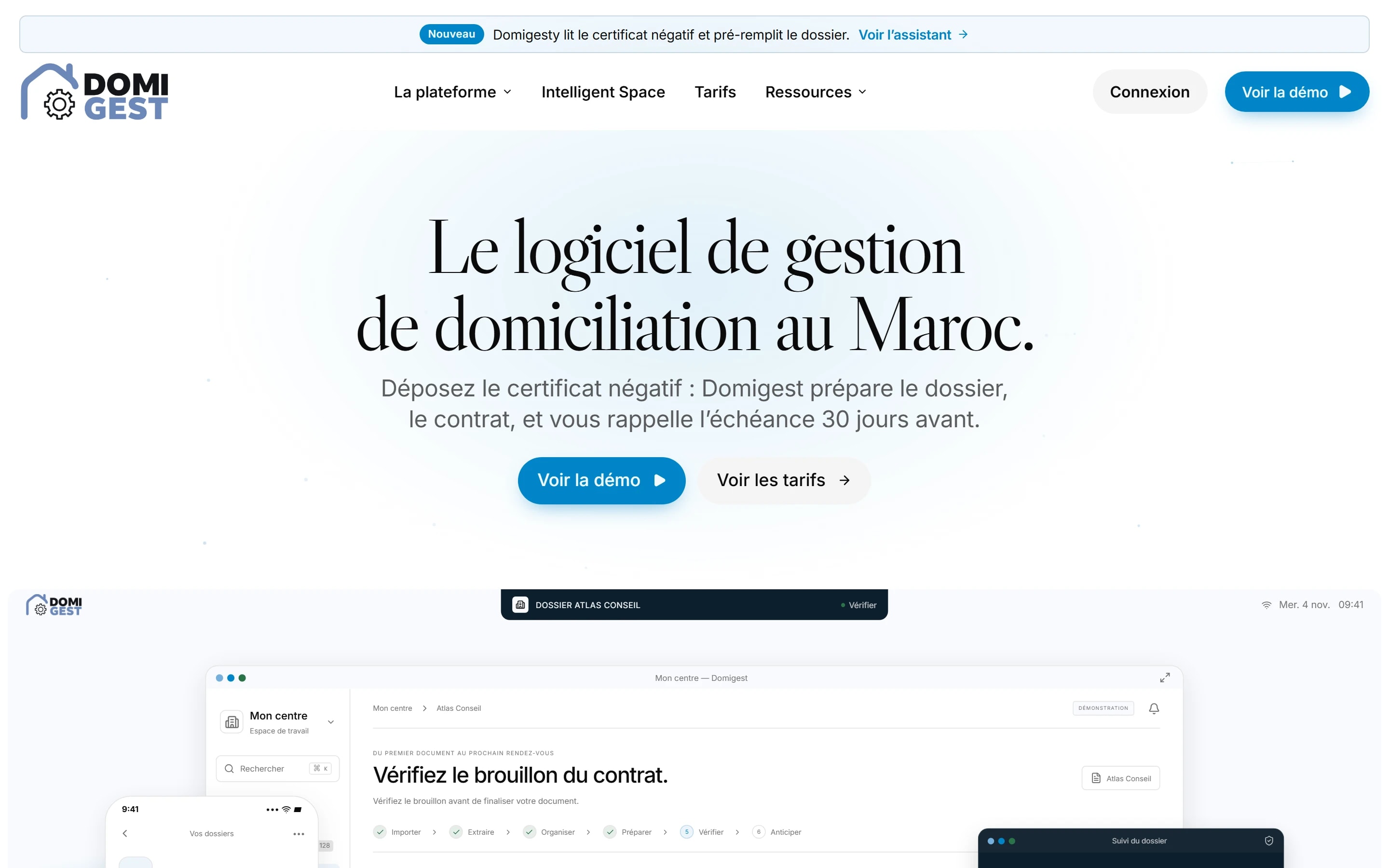
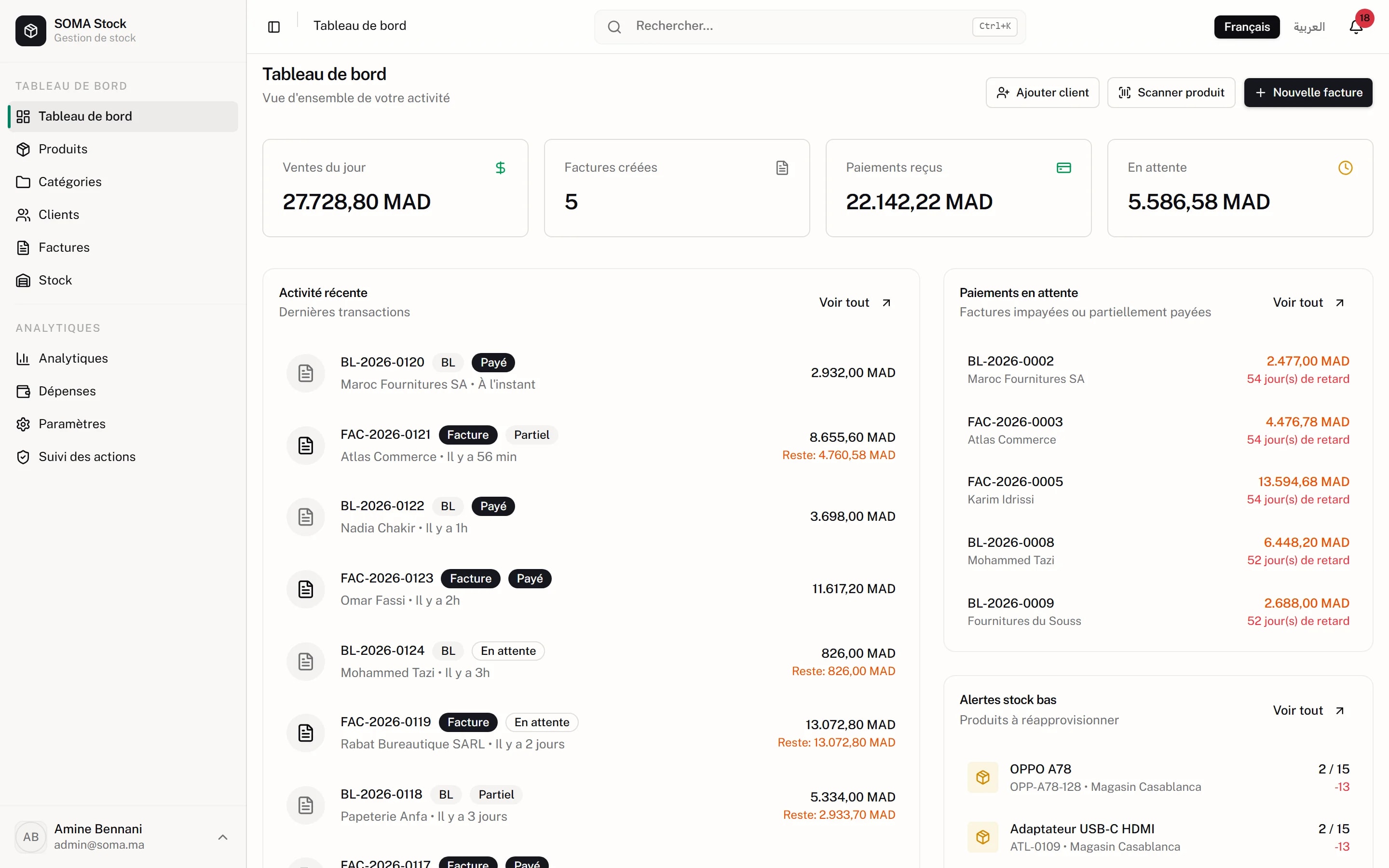
When files get lost between spreadsheets and messages, or the same information is entered several times, a business application can bring that work into one tool. Domigest, which I built for domiciliation centres, is one example.
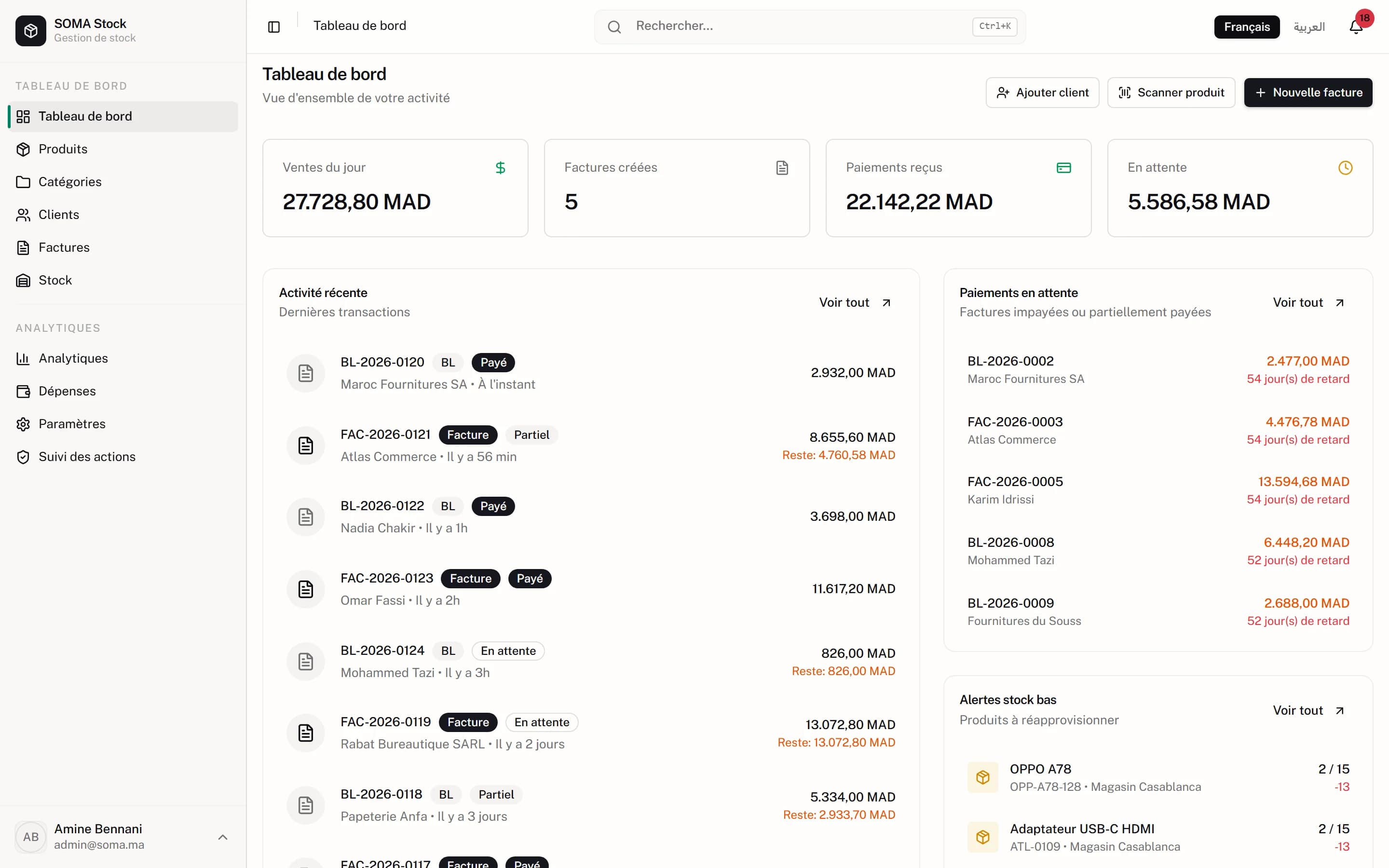
When a spreadsheet becomes difficult to maintain or separate tools stop working well together, adding another subscription is not always the answer. Custom development starts with your working process, rules and data. The goal is a system your team can understand and actually adopt.
Who creates, views and approves information, and what happens next: operating rules are clarified before the screens are built.
Records, contacts, documents and statuses share a coherent structure. Existing data is assessed according to its quality and format.
Permissions are defined for administrators, team members and customers. Traceability and confidentiality requirements are discussed during scoping.
Useful integrations are identified: notifications, document generation, synchronization or reporting. Feasibility depends on the APIs and constraints of the services involved.
Steps, exceptions, documents and friction points establish the scope.
Screens and business rules are tested against concrete scenarios before development expands.
Priority functions are built and checked using representative usage scenarios.
Data migration, access, backups, hosting and support are defined for the project’s requirements.
A business application does not need to replace every system on day one. The first release can cover a priority process, then expand after use. Cost depends on workflows, roles, data migration and integrations. Projects can support companies in Rabat, across Morocco or internationally through remote collaboration.
Define your scopeSend a link to any existing site or tool, the pages or operations you need, the languages and the services to connect. Specify who prepares copy and images, and any fixed deadline. This helps separate the work required from dependencies such as missing content or account access.
The proposal should specify deliverables, access to code and data, hosting and recurring costs. It should also distinguish fixing a defect from adding a feature, and establish backup and support responsibilities after launch. These terms are agreed before work starts and vary by project.
No. A well-configured existing tool may be enough. Scoping should compare that option with custom development against your business rules, budget and constraints.
Yes. They help explain your current process. Importing them requires checking structure, duplicates and information quality. Cleanup and migration are estimated against the actual data.
Yes, when a rule is clear enough and the connected tools support integration. Exceptions, errors and manual recovery need to be planned alongside the happy path.
Maintenance, hosting and future changes are agreed in the proposal. Responsibilities and access to code and data should be explicit before launch.